Every inspection service comes with a detailed report outlining your findings. We don’t just leave you with data; our inspectors are happy to schedule a consultation to discuss your findings in detail. This personalized interaction allows you to ask questions, gain a deeper understanding of any identified issues, and explore recommended next steps to address them. With our expert guidance, you’ll have the information you need to make informed decisions about your property.
A home inspection is a thorough visual assessment of a property's major systems and components, helping identify potential issues, safety concerns, and maintenance needs before buying, selling, or owning a home. The inspection typically covers the roof, foundation, electrical system, plumbing, HVAC, interior, and exterior elements. It provides valuable insight into the property's overall condition and helps homeowners make informed decisions. A detailed report outlines any concerns, recommended repairs, and maintenance items to support a safe and confident investment.
An office inspection is a comprehensive evaluation of a commercial workspace to assess its overall condition, safety, and functionality. The inspection reviews key components such as electrical systems, HVAC, plumbing, structural elements, and interior spaces. It helps identify potential maintenance issues, safety concerns, and operational deficiencies. A detailed report provides valuable insights to support informed business, leasing, or property management decisions.
A condo inspection is a detailed evaluation of a condominium unit's visible components and systems. The inspection typically covers the interior, electrical system, plumbing fixtures, HVAC equipment, windows, doors, and appliances. It helps identify defects, safety concerns, and maintenance issues that may affect the property's value or comfort. A comprehensive report provides buyers and owners with the information needed to make confident decisions.
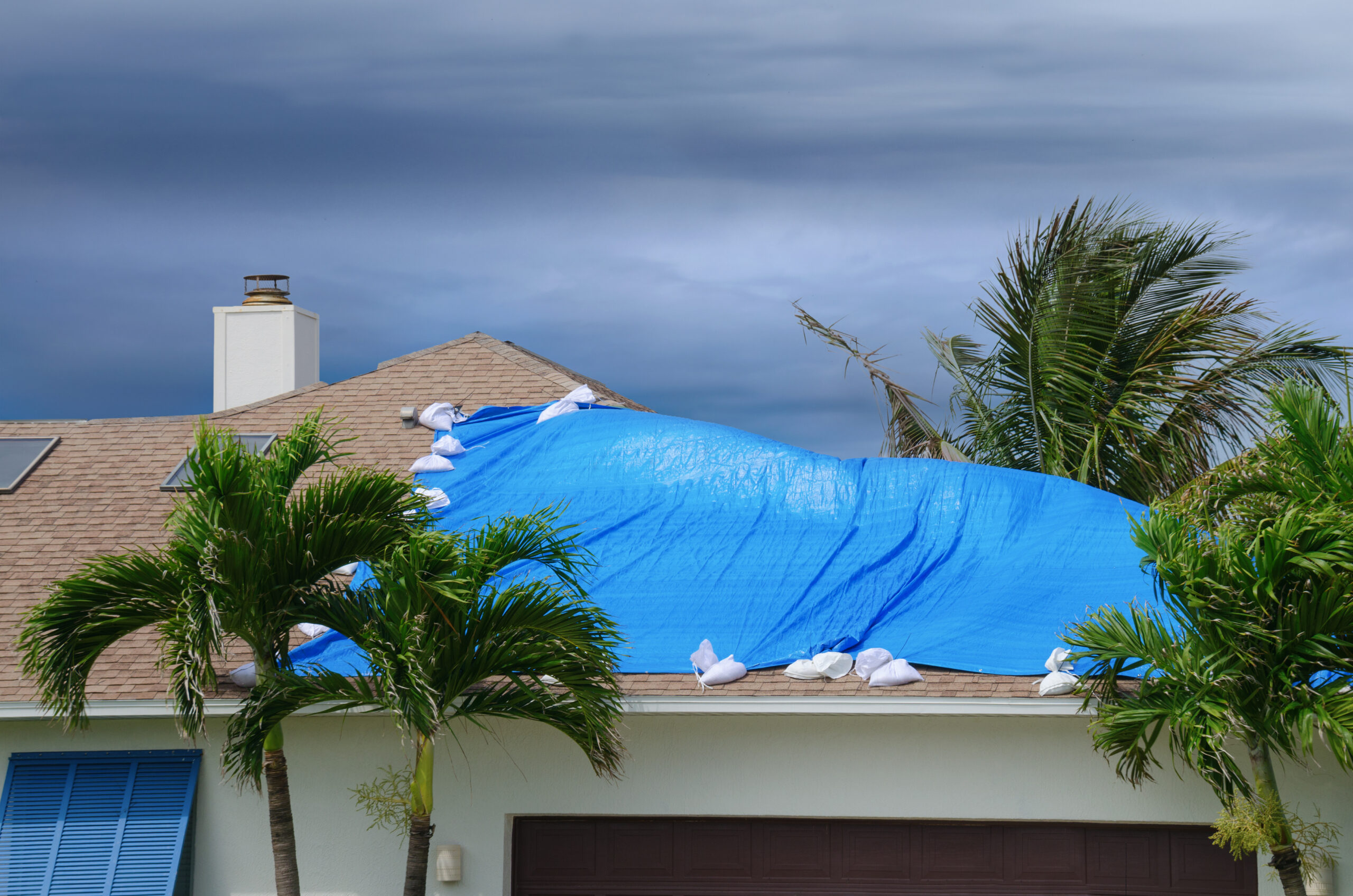
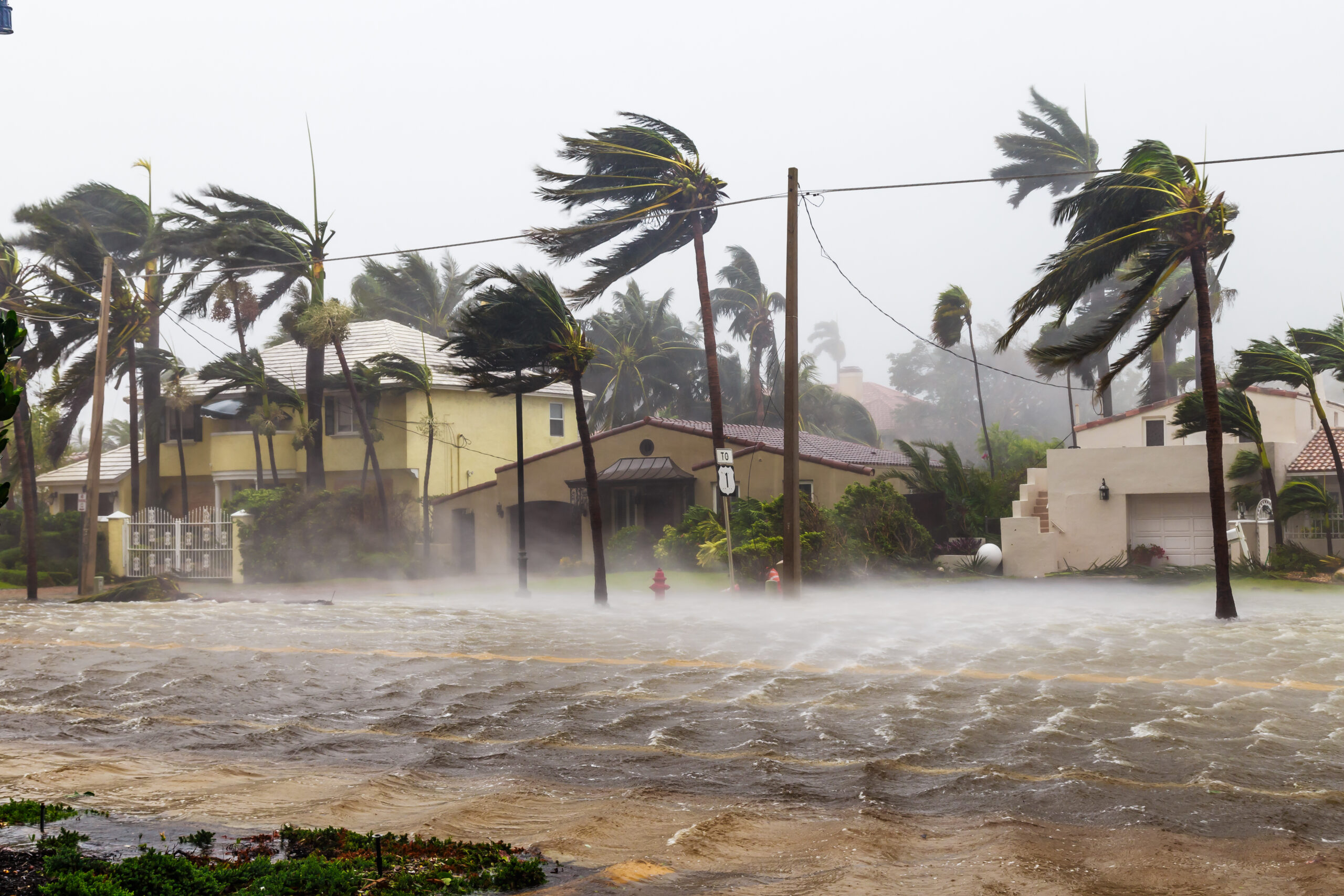
A wind mitigation inspection evaluates a home's features that help protect it from wind damage during severe weather events. The inspection examines the roof covering, roof-to-wall connections, roof shape, and other structural elements designed to withstand high winds. It helps homeowners understand their property's wind resistance and may qualify them for insurance discounts. A detailed report documents the home's protective features for insurance and safety purposes.
A three-point inspection focuses on the three major systems of a home: the roof, electrical system, and plumbing system. It helps identify potential safety hazards, defects, or aging components that may affect the property's insurability. Insurance companies often require this inspection for older homes. A detailed report provides an overview of the condition and remaining life expectancy of these key systems.
A 9-month or 11-month warranty inspection is performed before a new home's builder warranty expires. The inspection identifies defects, workmanship issues, and components that may need repair or replacement while still covered under the warranty. It covers major systems, structural elements, and visible components throughout the home. A detailed report helps homeowners address concerns with the builder before warranty coverage ends.
A wind mitigation inspection evaluates a home's construction features that help reduce damage from high winds and storms. The inspection examines the roof, roof attachments, roof shape, and other structural components designed to improve wind resistance. It helps homeowners understand how well their property is protected during severe weather. The resulting report may also help qualify for valuable insurance discounts.
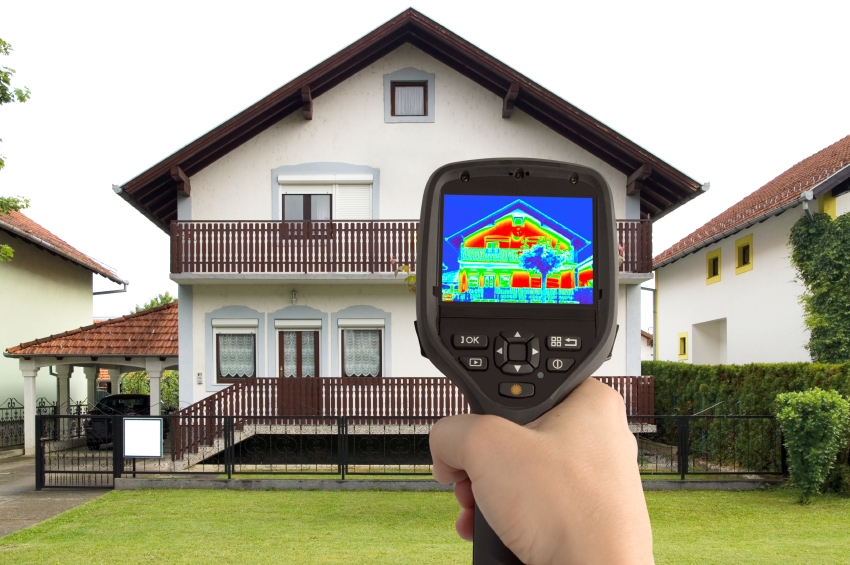
An infrared inspection uses advanced thermal imaging technology to detect hidden issues that may not be visible during a standard inspection. It can help identify moisture intrusion, insulation deficiencies, electrical hot spots, and HVAC performance concerns. This non-invasive process provides a deeper look into the property's condition. The findings help homeowners address problems early and prevent costly repairs.